



Skip to content
  • Home
  • Recent
  • Tags
  • 0 Unread 0
  • Categories
  • Unreplied
  • Popular
  • GitHub
  • Docu
  • Hilfe
Skins
  • Light
  • Brite
  • Cerulean
  • Cosmo
  • Flatly
  • Journal
  • Litera
  • Lumen
  • Lux
  • Materia
  • Minty
  • Morph
  • Pulse
  • Sandstone
  • Simplex
  • Sketchy
  • Spacelab
  • United
  • Yeti
  • Zephyr
  • Dark
  • Cyborg
  • Darkly
  • Quartz
  • Slate
  • Solar
  • Superhero
  • Vapor

  • Default (No Skin)
  • No Skin
Collapse
ioBroker Logo

Community Forum

donate donate
  1. ioBroker Community Home
  2. Deutsch
  3. Hardware
  4. S0 - Signal mit Wemos D1 Mini erzeugen?

NEWS

  • Monatsrückblick Januar/Februar 2026 ist online!
    BluefoxB
    Bluefox
    18
    1
    774

  • Jahresrückblick 2025 – unser neuer Blogbeitrag ist online! ✨
    BluefoxB
    Bluefox
    18
    1
    6.2k

  • Neuer Blogbeitrag: Monatsrückblick - Dezember 2025 🎄
    BluefoxB
    Bluefox
    13
    1
    1.5k

S0 - Signal mit Wemos D1 Mini erzeugen?

Scheduled Pinned Locked Moved Hardware
wemos d1 minis0-signalwärmepumpepv-anlagepv-überschusswärmepumpe pv photovoltaikfronius wechselrichter
78 Posts 7 Posters 13.2k Views 7 Watching
  • Oldest to Newest
  • Newest to Oldest
  • Most Votes
Reply
  • Reply as topic
Log in to reply
This topic has been deleted. Only users with topic management privileges can see it.
  • M Mistral

    @dieter_p Ist jetzt in Funktion und läuft :-)
    Wie gut die Regelung seitens der WP ist, kann ich noch nicht beurteilen, aber das S0 Signal wird bei mir einwandfrei übermittelt und anhand der aktuellen PV Einspeiseleistung berechnet.
    Vielen Dank!

    A Offline
    A Offline
    Andy123Andy1
    wrote on last edited by Andy123Andy1
    #48

    @mistral Guten Morgen, ich suche gerade auch nach einer Lösung ein S0 Signal zu erzeugen. Kannst du die verwendetet Hardware und evtl. den Code der Öffentlichkeit zur Verfügung stellen? Dann brauche ich nicht alles neu Recherchieren und Testen :)

    Das ist die benötigte Hardware wenn ich es richtig aus den vorherigen Post lese:
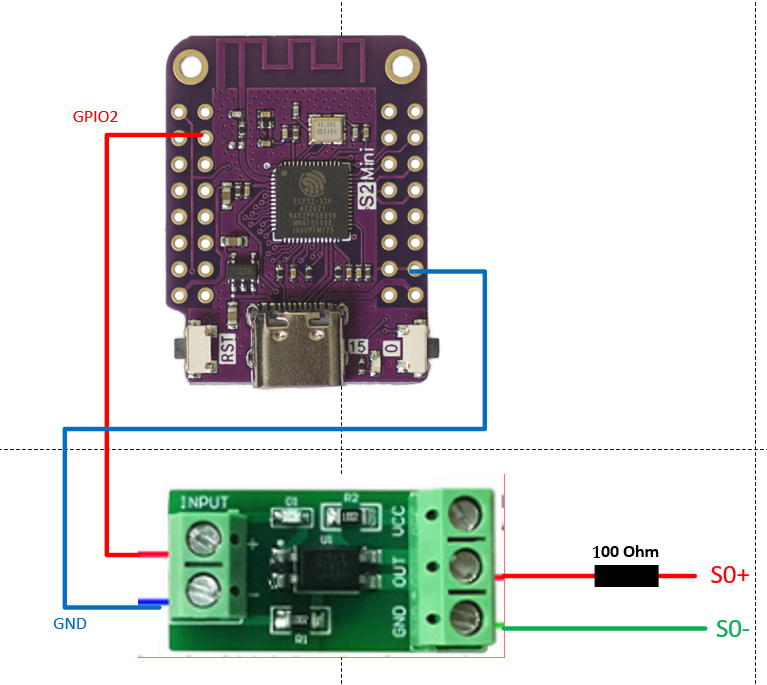
    1675434481039-d6d9c7f4-3b51-4f12-9c83-7a71a0238e2c-grafik.png

    Wenn jetzt noch jemand einen Code Schnipsel hätte wäre ich glücklich :)

    Hab mal rumprobiert hier mein Ergebnis:

    #include <ESP8266WiFi.h>
    #include <PubSubClient.h>
    
    // WiFi configuration
    const char* ssid = "your_SSID";
    const char* password = "your_PASSWORD";
    
    // MQTT configuration
    const char* mqtt_server = "broker_address";
    const char* mqtt_topic = "energy/consumption";
    const int mqtt_port = 1883;
    
    // S0 Pin configuration
    const int s0Pin = 7; // Pin connected to the S0 output signal
    
    // Timing variables
    unsigned long pulseDuration = 100; // Duration of each pulse in milliseconds
    unsigned long pulseInterval = 720; // Interval between pulses in milliseconds (initial value)
    
    // WiFi and MQTT clients
    WiFiClient espClient;
    PubSubClient client(espClient);
    
    // Function to handle received MQTT messages
    void callback(char* topic, byte* payload, unsigned int length) {
      char message[length + 1];
      strncpy(message, (char*)payload, length);
      message[length] = '\0';
    
      float kWh = atof(message); // Convert received message to float
    
      // Assuming 1000 pulses per kWh and 3600 seconds in an hour
      pulseInterval = (3600 * 1000) / (kWh * 1000) - pulseDuration;
    }
    
    void setup() {
      // Set the S0 pin as an output
      pinMode(s0Pin, OUTPUT);
    
      // Initialize Serial for debugging
      Serial.begin(115200);
    
      // Connect to WiFi
      setup_wifi();
    
      // Set up MQTT client
      client.setServer(mqtt_server, mqtt_port);
      client.setCallback(callback);
    
      // Connect to MQTT broker
      reconnect();
    }
    
    void loop() {
      if (!client.connected()) {
        reconnect();
      }
      client.loop();
    
      // Generate a pulse
      digitalWrite(s0Pin, HIGH);  // Set the S0 pin HIGH
      delay(pulseDuration);       // Wait for the pulse duration
      digitalWrite(s0Pin, LOW);   // Set the S0 pin LOW
      delay(pulseInterval);       // Wait for the interval before the next pulse
    }
    
    void setup_wifi() {
      delay(10);
      // Connect to WiFi
      Serial.println();
      Serial.print("Connecting to ");
      Serial.println(ssid);
    
      WiFi.begin(ssid, password);
    
      while (WiFi.status() != WL_CONNECTED) {
        delay(500);
        Serial.print(".");
      }
    
      Serial.println("");
      Serial.println("WiFi connected");
      Serial.println("IP address: ");
      Serial.println(WiFi.localIP());
    }
    
    void reconnect() {
      // Loop until we're reconnected
      while (!client.connected()) {
        Serial.print("Attempting MQTT connection...");
        // Attempt to connect
        if (client.connect("ESP8266Client")) {
          Serial.println("connected");
          // Subscribe to topic
          client.subscribe(mqtt_topic);
        } else {
          Serial.print("failed, rc=");
          Serial.print(client.state());
          Serial.println(" try again in 5 seconds");
          // Wait 5 seconds before retrying
          delay(5000);
        }
      }
    }


    Hab leider kein Oszilloskop um das mal zu prüfen.

    D 1 Reply Last reply
    0
    • A Andy123Andy1

      @mistral Guten Morgen, ich suche gerade auch nach einer Lösung ein S0 Signal zu erzeugen. Kannst du die verwendetet Hardware und evtl. den Code der Öffentlichkeit zur Verfügung stellen? Dann brauche ich nicht alles neu Recherchieren und Testen :)

      Das ist die benötigte Hardware wenn ich es richtig aus den vorherigen Post lese:

      1675434481039-d6d9c7f4-3b51-4f12-9c83-7a71a0238e2c-grafik.png

      Wenn jetzt noch jemand einen Code Schnipsel hätte wäre ich glücklich :)

      Hab mal rumprobiert hier mein Ergebnis:

      #include <ESP8266WiFi.h>
      #include <PubSubClient.h>
      
      // WiFi configuration
      const char* ssid = "your_SSID";
      const char* password = "your_PASSWORD";
      
      // MQTT configuration
      const char* mqtt_server = "broker_address";
      const char* mqtt_topic = "energy/consumption";
      const int mqtt_port = 1883;
      
      // S0 Pin configuration
      const int s0Pin = 7; // Pin connected to the S0 output signal
      
      // Timing variables
      unsigned long pulseDuration = 100; // Duration of each pulse in milliseconds
      unsigned long pulseInterval = 720; // Interval between pulses in milliseconds (initial value)
      
      // WiFi and MQTT clients
      WiFiClient espClient;
      PubSubClient client(espClient);
      
      // Function to handle received MQTT messages
      void callback(char* topic, byte* payload, unsigned int length) {
        char message[length + 1];
        strncpy(message, (char*)payload, length);
        message[length] = '\0';
      
        float kWh = atof(message); // Convert received message to float
      
        // Assuming 1000 pulses per kWh and 3600 seconds in an hour
        pulseInterval = (3600 * 1000) / (kWh * 1000) - pulseDuration;
      }
      
      void setup() {
        // Set the S0 pin as an output
        pinMode(s0Pin, OUTPUT);
      
        // Initialize Serial for debugging
        Serial.begin(115200);
      
        // Connect to WiFi
        setup_wifi();
      
        // Set up MQTT client
        client.setServer(mqtt_server, mqtt_port);
        client.setCallback(callback);
      
        // Connect to MQTT broker
        reconnect();
      }
      
      void loop() {
        if (!client.connected()) {
          reconnect();
        }
        client.loop();
      
        // Generate a pulse
        digitalWrite(s0Pin, HIGH);  // Set the S0 pin HIGH
        delay(pulseDuration);       // Wait for the pulse duration
        digitalWrite(s0Pin, LOW);   // Set the S0 pin LOW
        delay(pulseInterval);       // Wait for the interval before the next pulse
      }
      
      void setup_wifi() {
        delay(10);
        // Connect to WiFi
        Serial.println();
        Serial.print("Connecting to ");
        Serial.println(ssid);
      
        WiFi.begin(ssid, password);
      
        while (WiFi.status() != WL_CONNECTED) {
          delay(500);
          Serial.print(".");
        }
      
        Serial.println("");
        Serial.println("WiFi connected");
        Serial.println("IP address: ");
        Serial.println(WiFi.localIP());
      }
      
      void reconnect() {
        // Loop until we're reconnected
        while (!client.connected()) {
          Serial.print("Attempting MQTT connection...");
          // Attempt to connect
          if (client.connect("ESP8266Client")) {
            Serial.println("connected");
            // Subscribe to topic
            client.subscribe(mqtt_topic);
          } else {
            Serial.print("failed, rc=");
            Serial.print(client.state());
            Serial.println(" try again in 5 seconds");
            // Wait 5 seconds before retrying
            delay(5000);
          }
        }
      }


      Hab leider kein Oszilloskop um das mal zu prüfen.

      D Offline
      D Offline
      Dieter_P
      wrote on last edited by Dieter_P
      #49

      Hab leider kein Oszilloskop um das mal zu prüfen.

      Wenn Du mir einen "easy" weg erklärst wie ich das in den ESP32 reinbekomme, schließe ich mal ein Oszi dran an.

      A 1 Reply Last reply
      0
      • D Dieter_P

        Hab leider kein Oszilloskop um das mal zu prüfen.

        Wenn Du mir einen "easy" weg erklärst wie ich das in den ESP32 reinbekomme, schließe ich mal ein Oszi dran an.

        A Offline
        A Offline
        Andy123Andy1
        wrote on last edited by Andy123Andy1
        #50

        @dieter_p Ich würde das mit Adurino IDE auf einen ESP flashen.

        Hier der Code vereinfacht und ohne Wifi & MQTT. Das sollte jetzt 5kwH abbilden.

        // S0 Pin configuration
        const int s0Pin = 7; // Pin connected to the S0 output signal
        
        // Timing variables
        unsigned long pulseDuration = 100; // Duration of each pulse in milliseconds
        // replaced with static value
        unsigned long pulseInterval = (3600 * 1000) / (5 * 1000) - pulseDuration; // Interval between pulses in milliseconds (initial value)
        
        
        void setup() {
          // Set the S0 pin as an output
          pinMode(s0Pin, OUTPUT);
        
          // Initialize Serial for debugging
          Serial.begin(115200);
        }
        
        void loop() {
          // Generate a pulse
          digitalWrite(s0Pin, HIGH);  // Set the S0 pin HIGH
          delay(pulseDuration);       // Wait for the pulse duration
          digitalWrite(s0Pin, LOW);   // Set the S0 pin LOW
          delay(pulseInterval);       // Wait for the interval before the next pulse
        }


        D 2 Replies Last reply
        0
        • A Andy123Andy1

          @dieter_p Ich würde das mit Adurino IDE auf einen ESP flashen.

          Hier der Code vereinfacht und ohne Wifi & MQTT. Das sollte jetzt 5kwH abbilden.

          // S0 Pin configuration
          const int s0Pin = 7; // Pin connected to the S0 output signal
          
          // Timing variables
          unsigned long pulseDuration = 100; // Duration of each pulse in milliseconds
          // replaced with static value
          unsigned long pulseInterval = (3600 * 1000) / (5 * 1000) - pulseDuration; // Interval between pulses in milliseconds (initial value)
          
          
          void setup() {
            // Set the S0 pin as an output
            pinMode(s0Pin, OUTPUT);
          
            // Initialize Serial for debugging
            Serial.begin(115200);
          }
          
          void loop() {
            // Generate a pulse
            digitalWrite(s0Pin, HIGH);  // Set the S0 pin HIGH
            delay(pulseDuration);       // Wait for the pulse duration
            digitalWrite(s0Pin, LOW);   // Set the S0 pin LOW
            delay(pulseInterval);       // Wait for the interval before the next pulse
          }


          D Offline
          D Offline
          Dieter_P
          wrote on last edited by Dieter_P
          #51

          @andy123andy1 said in S0 - Signal mit Wemos D1 Mini erzeugen?:

          @dieter_p Ich würde das mit Adurino IDE auf einen ESP flashen.

          Bin Tasmota/ESPEasy verseucht, aber wird man ja nicht dümmer durch etwas Neues zu probieren. Starte mal bei mir die Umgebung aufzusetzen und melde mich.

          Alternativ die "dumme" Frage eine .bin datei daraus kannst Du mir nicht erzeugen und ich flashe sie einfach auf den ESP?

          A 1 Reply Last reply
          0
          • D Dieter_P

            @andy123andy1 said in S0 - Signal mit Wemos D1 Mini erzeugen?:

            @dieter_p Ich würde das mit Adurino IDE auf einen ESP flashen.

            Bin Tasmota/ESPEasy verseucht, aber wird man ja nicht dümmer durch etwas Neues zu probieren. Starte mal bei mir die Umgebung aufzusetzen und melde mich.

            Alternativ die "dumme" Frage eine .bin datei daraus kannst Du mir nicht erzeugen und ich flashe sie einfach auf den ESP?

            A Offline
            A Offline
            Andy123Andy1
            wrote on last edited by
            #52

            Doch das geht ich müsste nur welchen welchen ESP.

            D 1 Reply Last reply
            0
            • A Andy123Andy1

              Doch das geht ich müsste nur welchen welchen ESP.

              D Offline
              D Offline
              Dieter_P
              wrote on last edited by Dieter_P
              #53

              @andy123andy1

              Hab einen ESP32 S2 hier (wie auf der Zeichnung/Screenshot)

              Edit: den configurierten S0 Pin hast Du in der letzten Version rausgenommen, bleibt bei GPIO 7 ?

              A 1 Reply Last reply
              0
              • D Dieter_P

                @andy123andy1

                Hab einen ESP32 S2 hier (wie auf der Zeichnung/Screenshot)

                Edit: den configurierten S0 Pin hast Du in der letzten Version rausgenommen, bleibt bei GPIO 7 ?

                A Offline
                A Offline
                Andy123Andy1
                wrote on last edited by Andy123Andy1
                #54

                @dieter_p

                sketch_jun25a.ino.bin

                ist die 7

                D 1 Reply Last reply
                1
                • A Andy123Andy1

                  @dieter_p

                  sketch_jun25a.ino.bin

                  ist die 7

                  D Offline
                  D Offline
                  Dieter_P
                  wrote on last edited by
                  #55

                  @andy123andy1

                  kann keine Funktion/Signalpuls messen

                  Hab zum Test nochmal ESPEasy zum Vergleich genutzt und hier lässt sich ein Puls messen.

                  A 1 Reply Last reply
                  0
                  • D Dieter_P

                    @andy123andy1

                    kann keine Funktion/Signalpuls messen

                    Hab zum Test nochmal ESPEasy zum Vergleich genutzt und hier lässt sich ein Puls messen.

                    A Offline
                    A Offline
                    Andy123Andy1
                    wrote on last edited by
                    #56

                    Komisch nochmal das gleiche mit PIN 2

                    sketch_jun25a.ino.bin

                    D 1 Reply Last reply
                    0
                    • A Andy123Andy1

                      Komisch nochmal das gleiche mit PIN 2

                      sketch_jun25a.ino.bin

                      D Offline
                      D Offline
                      Dieter_P
                      wrote on last edited by
                      #57

                      @andy123andy1

                      bisher nein und mit ESPEasy alles wie gehabt:
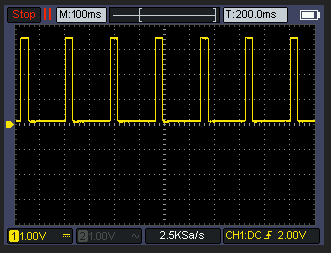
                      71546929-9cdb-465d-8acc-26a5739b9bca-grafik.png

                      Der ESP32S2 ist am seriellen Anschluß etwas speziell, daher sehe ich im Moment keine Log/Terminal Daten ob er überhaupt startet.

                      Gucke mal ob ich was anderes hier hab.

                      1 Reply Last reply
                      0
                      • A Andy123Andy1

                        @dieter_p Ich würde das mit Adurino IDE auf einen ESP flashen.

                        Hier der Code vereinfacht und ohne Wifi & MQTT. Das sollte jetzt 5kwH abbilden.

                        // S0 Pin configuration
                        const int s0Pin = 7; // Pin connected to the S0 output signal
                        
                        // Timing variables
                        unsigned long pulseDuration = 100; // Duration of each pulse in milliseconds
                        // replaced with static value
                        unsigned long pulseInterval = (3600 * 1000) / (5 * 1000) - pulseDuration; // Interval between pulses in milliseconds (initial value)
                        
                        
                        void setup() {
                          // Set the S0 pin as an output
                          pinMode(s0Pin, OUTPUT);
                        
                          // Initialize Serial for debugging
                          Serial.begin(115200);
                        }
                        
                        void loop() {
                          // Generate a pulse
                          digitalWrite(s0Pin, HIGH);  // Set the S0 pin HIGH
                          delay(pulseDuration);       // Wait for the pulse duration
                          digitalWrite(s0Pin, LOW);   // Set the S0 pin LOW
                          delay(pulseInterval);       // Wait for the interval before the next pulse
                        }


                        D Offline
                        D Offline
                        Dieter_P
                        wrote on last edited by
                        #58

                        @andy123andy1 said in S0 - Signal mit Wemos D1 Mini erzeugen?:

                        // S0 Pin configuration
                        const int s0Pin = 7; // Pin connected to the S0 output signal

                        // Timing variables
                        unsigned long pulseDuration = 100; // Duration of each pulse in milliseconds
                        // replaced with static value
                        unsigned long pulseInterval = (3600 * 1000) / (5 * 1000) - pulseDuration; // Interval between pulses in milliseconds (initial value)

                        void setup() {
                        // Set the S0 pin as an output
                        pinMode(s0Pin, OUTPUT);

                        // Initialize Serial for debugging
                        Serial.begin(115200);
                        }

                        void loop() {
                        // Generate a pulse
                        digitalWrite(s0Pin, HIGH); // Set the S0 pin HIGH
                        delay(pulseDuration); // Wait for the pulse duration
                        digitalWrite(s0Pin, LOW); // Set the S0 pin LOW
                        delay(pulseInterval); // Wait for the interval before the next pulse
                        }

                        So, hab das mal selbst unter Adruino IDE auf den ESP geladen.
                        Funtioniert:
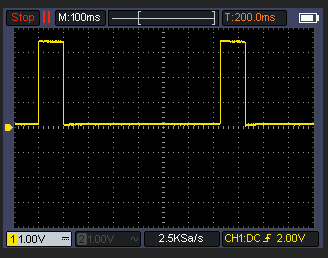
                        8565b262-37ba-46b1-b844-bdba82af2544-grafik.png

                        A 1 Reply Last reply
                        0
                        • D Dieter_P

                          @andy123andy1 said in S0 - Signal mit Wemos D1 Mini erzeugen?:

                          // S0 Pin configuration
                          const int s0Pin = 7; // Pin connected to the S0 output signal

                          // Timing variables
                          unsigned long pulseDuration = 100; // Duration of each pulse in milliseconds
                          // replaced with static value
                          unsigned long pulseInterval = (3600 * 1000) / (5 * 1000) - pulseDuration; // Interval between pulses in milliseconds (initial value)

                          void setup() {
                          // Set the S0 pin as an output
                          pinMode(s0Pin, OUTPUT);

                          // Initialize Serial for debugging
                          Serial.begin(115200);
                          }

                          void loop() {
                          // Generate a pulse
                          digitalWrite(s0Pin, HIGH); // Set the S0 pin HIGH
                          delay(pulseDuration); // Wait for the pulse duration
                          digitalWrite(s0Pin, LOW); // Set the S0 pin LOW
                          delay(pulseInterval); // Wait for the interval before the next pulse
                          }

                          So, hab das mal selbst unter Adruino IDE auf den ESP geladen.
                          Funtioniert:
                          8565b262-37ba-46b1-b844-bdba82af2544-grafik.png

                          A Offline
                          A Offline
                          Andy123Andy1
                          wrote on last edited by
                          #59

                          Richtig cool. Dann kann man dem code von oben und dem bischen Hardware sich das s0 signal für die lwp bauen. Ich hab mal 3 von den PC817 bestellt und werde mal testen, ob die lwp was versteht.

                          A 1 Reply Last reply
                          0
                          • A Andy123Andy1

                            Richtig cool. Dann kann man dem code von oben und dem bischen Hardware sich das s0 signal für die lwp bauen. Ich hab mal 3 von den PC817 bestellt und werde mal testen, ob die lwp was versteht.

                            A Offline
                            A Offline
                            Andy123Andy1
                            wrote on last edited by Andy123Andy1
                            #60

                            Kleines update das ist jetzt das finale "script" auf einem Adurino Nano. Der sendet pauschal 2kwH an die LWP. Man kann wenn man will über eine USB/Serial Verbindung die richtige kwH in Fließkomma (1.3 etc) setzen. Bei mir hängt der Nano am USB vom "NAS".

                            const int s0Pin = 7; // Pin connected to the S0 output signal
                            
                            // Timing variables
                            unsigned long pulseDuration = 100; // Duration of each pulse in milliseconds
                            unsigned long pulseInterval = 3500; // Interval between pulses in milliseconds (initial value)
                            float kWh = 1.0; // Initial kWh value
                            
                            unsigned long previousMillis = 0; // Store the last time a pulse was generated
                            unsigned long pulseEndMillis = 0; // Store the end time of the pulse
                            bool pulseActive = false; // Flag to track pulse state
                            
                            void setup() {
                              // Set the S0 pin as an output
                              pinMode(s0Pin, OUTPUT);
                            
                              // Initialize Serial for communication
                              Serial.begin(115200);
                              while (!Serial) {
                                ; // Wait for the serial port to connect. Needed for native USB port only
                              }
                            
                              Serial.println("Enter kWh value:");
                            }
                            
                            void loop() {
                              // Check if data is available on the serial port
                              if (Serial.available() > 0) {
                                String input = Serial.readStringUntil('\n'); // Read the input
                                kWh = input.toFloat(); // Convert input to float
                            
                                if (kWh > 0) {
                                  // Calculate pulse interval based on kWh value
                                  pulseInterval = (3600.0 * 1000.0) / (kWh * 1000.0) - pulseDuration;
                                  Serial.print("Updated kWh: ");
                                  Serial.println(kWh);
                                  Serial.print("Updated pulse interval: ");
                                  Serial.println(pulseInterval);
                                }
                              }
                            
                              unsigned long currentMillis = millis();
                            
                              // Check if it's time to generate a new pulse
                              if (currentMillis - previousMillis >= pulseInterval && !pulseActive) {
                                // Save the last time a pulse was started
                                previousMillis = currentMillis;
                                
                                // Start the pulse
                                digitalWrite(s0Pin, HIGH);
                                pulseEndMillis = currentMillis + pulseDuration;
                                pulseActive = true;
                              }
                            
                              // Check if it's time to end the pulse
                              if (pulseActive && currentMillis >= pulseEndMillis) {
                                digitalWrite(s0Pin, LOW);
                                pulseActive = false;
                              }
                            }
                            

                            senden vom pc aus könnte so aussehen:

                            import serial
                            import time
                            
                            # Configure the serial port and baud rate
                            ser = serial.Serial('/dev/ttyUSB0', 115200)  # Change 'COM3' to the appropriate port for your system
                            time.sleep(2)  # Give some time to establish the connection
                            
                            def send_kwh_value(kwh):
                                ser.write(f"{kwh}\n".encode())  # Send kWh value as a string with newline
                                time.sleep(1)  # Give some time for the Arduino to process and respond
                            
                                # Read response lines from the serial port
                                response_lines = []
                                while ser.in_waiting > 0:
                                    line = ser.readline().decode('utf-8').rstrip()
                                    response_lines.append(line)
                                
                                return response_lines
                            
                            # Example usage
                            response = send_kwh_value(5.0)  # Send 5.0 kWh value
                            for line in response:
                                print(line)
                            
                            ser.close()
                            
                            
                            D 1 Reply Last reply
                            0
                            • A Andy123Andy1

                              Kleines update das ist jetzt das finale "script" auf einem Adurino Nano. Der sendet pauschal 2kwH an die LWP. Man kann wenn man will über eine USB/Serial Verbindung die richtige kwH in Fließkomma (1.3 etc) setzen. Bei mir hängt der Nano am USB vom "NAS".

                              const int s0Pin = 7; // Pin connected to the S0 output signal
                              
                              // Timing variables
                              unsigned long pulseDuration = 100; // Duration of each pulse in milliseconds
                              unsigned long pulseInterval = 3500; // Interval between pulses in milliseconds (initial value)
                              float kWh = 1.0; // Initial kWh value
                              
                              unsigned long previousMillis = 0; // Store the last time a pulse was generated
                              unsigned long pulseEndMillis = 0; // Store the end time of the pulse
                              bool pulseActive = false; // Flag to track pulse state
                              
                              void setup() {
                                // Set the S0 pin as an output
                                pinMode(s0Pin, OUTPUT);
                              
                                // Initialize Serial for communication
                                Serial.begin(115200);
                                while (!Serial) {
                                  ; // Wait for the serial port to connect. Needed for native USB port only
                                }
                              
                                Serial.println("Enter kWh value:");
                              }
                              
                              void loop() {
                                // Check if data is available on the serial port
                                if (Serial.available() > 0) {
                                  String input = Serial.readStringUntil('\n'); // Read the input
                                  kWh = input.toFloat(); // Convert input to float
                              
                                  if (kWh > 0) {
                                    // Calculate pulse interval based on kWh value
                                    pulseInterval = (3600.0 * 1000.0) / (kWh * 1000.0) - pulseDuration;
                                    Serial.print("Updated kWh: ");
                                    Serial.println(kWh);
                                    Serial.print("Updated pulse interval: ");
                                    Serial.println(pulseInterval);
                                  }
                                }
                              
                                unsigned long currentMillis = millis();
                              
                                // Check if it's time to generate a new pulse
                                if (currentMillis - previousMillis >= pulseInterval && !pulseActive) {
                                  // Save the last time a pulse was started
                                  previousMillis = currentMillis;
                                  
                                  // Start the pulse
                                  digitalWrite(s0Pin, HIGH);
                                  pulseEndMillis = currentMillis + pulseDuration;
                                  pulseActive = true;
                                }
                              
                                // Check if it's time to end the pulse
                                if (pulseActive && currentMillis >= pulseEndMillis) {
                                  digitalWrite(s0Pin, LOW);
                                  pulseActive = false;
                                }
                              }
                              

                              senden vom pc aus könnte so aussehen:

                              import serial
                              import time
                              
                              # Configure the serial port and baud rate
                              ser = serial.Serial('/dev/ttyUSB0', 115200)  # Change 'COM3' to the appropriate port for your system
                              time.sleep(2)  # Give some time to establish the connection
                              
                              def send_kwh_value(kwh):
                                  ser.write(f"{kwh}\n".encode())  # Send kWh value as a string with newline
                                  time.sleep(1)  # Give some time for the Arduino to process and respond
                              
                                  # Read response lines from the serial port
                                  response_lines = []
                                  while ser.in_waiting > 0:
                                      line = ser.readline().decode('utf-8').rstrip()
                                      response_lines.append(line)
                                  
                                  return response_lines
                              
                              # Example usage
                              response = send_kwh_value(5.0)  # Send 5.0 kWh value
                              for line in response:
                                  print(line)
                              
                              ser.close()
                              
                              
                              D Offline
                              D Offline
                              Dieter_P
                              wrote on last edited by Dieter_P
                              #61

                              @andy123andy1

                              Bist Du sicher das es hier nicht um die Leistung -> W geht?

                              A 1 Reply Last reply
                              0
                              • D Dieter_P

                                @andy123andy1

                                Bist Du sicher das es hier nicht um die Leistung -> W geht?

                                A Offline
                                A Offline
                                Andy123Andy1
                                wrote on last edited by
                                #62

                                @dieter_p

                                also laut wikipedia sind es kWh

                                https://de.wikipedia.org/wiki/Stromzähler

                                A 1 Reply Last reply
                                0
                                • A Andy123Andy1

                                  @dieter_p

                                  also laut wikipedia sind es kWh

                                  https://de.wikipedia.org/wiki/Stromzähler

                                  A Offline
                                  A Offline
                                  Andy123Andy1
                                  wrote on last edited by
                                  #63

                                  @andy123andy1

                                  Mit Watt müsste das so aussehen.

                                  const int s0Pin = 7; // Pin connected to the S0 output signal
                                  
                                  // Timing variables
                                  unsigned long pulseDuration = 100; // Duration of each pulse in milliseconds
                                  unsigned long pulseInterval = 3600000 / 1000 - pulseDuration; // Interval between pulses in milliseconds (initial value)
                                  float watts = 1000.0; // Initial watts value
                                  
                                  unsigned long previousMillis = 0; // Store the last time a pulse was generated
                                  unsigned long pulseEndMillis = 0; // Store the end time of the pulse
                                  bool pulseActive = false; // Flag to track pulse state
                                  
                                  void setup() {
                                    // Set the S0 pin as an output
                                    pinMode(s0Pin, OUTPUT);
                                  
                                    // Initialize Serial for communication
                                    Serial.begin(115200);
                                    while (!Serial) {
                                      ; // Wait for the serial port to connect. Needed for native USB port only
                                    }
                                  
                                    Serial.println("Enter watts value:");
                                  }
                                  
                                  void loop() {
                                    // Check if data is available on the serial port
                                    if (Serial.available() > 0) {
                                      String input = Serial.readStringUntil('\n'); // Read the input
                                      watts = input.toFloat(); // Convert input to float
                                  
                                      if (watts > 0) {
                                        // Calculate pulse interval based on watts value
                                        pulseInterval = (3600.0 * 1000.0) / watts - pulseDuration;
                                        Serial.print("Updated watts: ");
                                        Serial.println(watts);
                                        Serial.print("Updated pulse interval: ");
                                        Serial.println(pulseInterval);
                                      }
                                    }
                                  
                                    unsigned long currentMillis = millis();
                                  
                                    // Check if it's time to generate a new pulse
                                    if (currentMillis - previousMillis >= pulseInterval && !pulseActive) {
                                      // Save the last time a pulse was started
                                      previousMillis = currentMillis;
                                      
                                      // Start the pulse
                                      digitalWrite(s0Pin, HIGH);
                                      pulseEndMillis = currentMillis + pulseDuration;
                                      pulseActive = true;
                                    }
                                  
                                    // Check if it's time to end the pulse
                                    if (pulseActive && currentMillis >= pulseEndMillis) {
                                      digitalWrite(s0Pin, LOW);
                                      pulseActive = false;
                                    }
                                  }
                                  

                                  bzw.

                                  import serial
                                  import time
                                  
                                  # Configure the serial port and baud rate
                                  ser = serial.Serial('COM3', 115200)  # Change 'COM3' to the appropriate port for your system
                                  time.sleep(2)  # Give some time to establish the connection
                                  
                                  def send_watts_value(watts):
                                      ser.write(f"{watts}\n".encode())  # Send watts value as a string with newline
                                      time.sleep(1)  # Give some time for the Arduino to process and respond
                                  
                                      # Read response lines from the serial port
                                      response_lines = []
                                      while ser.in_waiting > 0:
                                          line = ser.readline().decode('utf-8').rstrip()
                                          response_lines.append(line)
                                      
                                      return response_lines
                                  
                                  # Example usage
                                  response = send_watts_value(1000.0)  # Send 1000 watts value
                                  for line in response:
                                      print(line)
                                  
                                  response = send_watts_value(1500.5)  # Send 1500.5 watts value
                                  for line in response:
                                      print(line)
                                  
                                  ser.close()
                                  

                                  Dann kann man Watt senden.

                                  A 1 Reply Last reply
                                  0
                                  • A Andy123Andy1

                                    @andy123andy1

                                    Mit Watt müsste das so aussehen.

                                    const int s0Pin = 7; // Pin connected to the S0 output signal
                                    
                                    // Timing variables
                                    unsigned long pulseDuration = 100; // Duration of each pulse in milliseconds
                                    unsigned long pulseInterval = 3600000 / 1000 - pulseDuration; // Interval between pulses in milliseconds (initial value)
                                    float watts = 1000.0; // Initial watts value
                                    
                                    unsigned long previousMillis = 0; // Store the last time a pulse was generated
                                    unsigned long pulseEndMillis = 0; // Store the end time of the pulse
                                    bool pulseActive = false; // Flag to track pulse state
                                    
                                    void setup() {
                                      // Set the S0 pin as an output
                                      pinMode(s0Pin, OUTPUT);
                                    
                                      // Initialize Serial for communication
                                      Serial.begin(115200);
                                      while (!Serial) {
                                        ; // Wait for the serial port to connect. Needed for native USB port only
                                      }
                                    
                                      Serial.println("Enter watts value:");
                                    }
                                    
                                    void loop() {
                                      // Check if data is available on the serial port
                                      if (Serial.available() > 0) {
                                        String input = Serial.readStringUntil('\n'); // Read the input
                                        watts = input.toFloat(); // Convert input to float
                                    
                                        if (watts > 0) {
                                          // Calculate pulse interval based on watts value
                                          pulseInterval = (3600.0 * 1000.0) / watts - pulseDuration;
                                          Serial.print("Updated watts: ");
                                          Serial.println(watts);
                                          Serial.print("Updated pulse interval: ");
                                          Serial.println(pulseInterval);
                                        }
                                      }
                                    
                                      unsigned long currentMillis = millis();
                                    
                                      // Check if it's time to generate a new pulse
                                      if (currentMillis - previousMillis >= pulseInterval && !pulseActive) {
                                        // Save the last time a pulse was started
                                        previousMillis = currentMillis;
                                        
                                        // Start the pulse
                                        digitalWrite(s0Pin, HIGH);
                                        pulseEndMillis = currentMillis + pulseDuration;
                                        pulseActive = true;
                                      }
                                    
                                      // Check if it's time to end the pulse
                                      if (pulseActive && currentMillis >= pulseEndMillis) {
                                        digitalWrite(s0Pin, LOW);
                                        pulseActive = false;
                                      }
                                    }
                                    

                                    bzw.

                                    import serial
                                    import time
                                    
                                    # Configure the serial port and baud rate
                                    ser = serial.Serial('COM3', 115200)  # Change 'COM3' to the appropriate port for your system
                                    time.sleep(2)  # Give some time to establish the connection
                                    
                                    def send_watts_value(watts):
                                        ser.write(f"{watts}\n".encode())  # Send watts value as a string with newline
                                        time.sleep(1)  # Give some time for the Arduino to process and respond
                                    
                                        # Read response lines from the serial port
                                        response_lines = []
                                        while ser.in_waiting > 0:
                                            line = ser.readline().decode('utf-8').rstrip()
                                            response_lines.append(line)
                                        
                                        return response_lines
                                    
                                    # Example usage
                                    response = send_watts_value(1000.0)  # Send 1000 watts value
                                    for line in response:
                                        print(line)
                                    
                                    response = send_watts_value(1500.5)  # Send 1500.5 watts value
                                    for line in response:
                                        print(line)
                                    
                                    ser.close()
                                    

                                    Dann kann man Watt senden.

                                    A Offline
                                    A Offline
                                    Andy123Andy1
                                    wrote on last edited by
                                    #64

                                    Ich hab mal alles angeschlossen wo sieht man den ob es funktioniert?

                                    D 1 Reply Last reply
                                    0
                                    • A Andy123Andy1

                                      Ich hab mal alles angeschlossen wo sieht man den ob es funktioniert?

                                      D Offline
                                      D Offline
                                      Dieter_P
                                      wrote on last edited by Dieter_P
                                      #65

                                      @andy123andy1
                                      "Da wo es qualmt". Sorry aber das klingt sehr "sportlich". Zu Deiner "lwp" nehme an Luftwärmepumpe, sollte sich etwas in deren Handbuch finden lassen und würde empfehlen vorher die erwartbaren Funktionen in Erfahrung zu bringen um keine Schäden & Gefahren zu erzeugen und die Funktion auch Bestimmungsgemäß zu nutzen.

                                      A 1 Reply Last reply
                                      0
                                      • D Dieter_P

                                        @andy123andy1
                                        "Da wo es qualmt". Sorry aber das klingt sehr "sportlich". Zu Deiner "lwp" nehme an Luftwärmepumpe, sollte sich etwas in deren Handbuch finden lassen und würde empfehlen vorher die erwartbaren Funktionen in Erfahrung zu bringen um keine Schäden & Gefahren zu erzeugen und die Funktion auch Bestimmungsgemäß zu nutzen.

                                        A Offline
                                        A Offline
                                        Andy123Andy1
                                        wrote on last edited by Andy123Andy1
                                        #66

                                        hihi ja so ähnlich.

                                        Ich hab jetzt nochmal gemessen die 20mA kommen bei High an. Das Interval sollte stimmen aber die Luftwärmepume erkennt das Signal nicht. Hab erst mal keine Idee warum nicht.

                                        Vielleicht findet sich noch jemand bei dem es klappt. Vielleicht ist die Spannung zu gering ? Die Klemmen der LWP sind mit 5V beschriftet, wobei das eigentlich egal sein sollte.

                                        Mein Aufbau sieht so aus:

                                        Wemos D1 -> Optokoppler -> + 100 ohm Wiederstand -> LWP

                                        Und ein möglichst einfaches Program aufgespielt. Wärmepume auf 500 Impulse gestellt.

                                        #define S0_PIN D6 // Use the D6 pin on Wemos D1
                                        
                                        
                                        unsigned long pulseInterval;
                                        float kWh = 1.0; // Default kWh value (example value)
                                        unsigned long pulseDuration = 30; /
                                        
                                        void setup() {
                                        
                                          pinMode(S0_PIN, OUTPUT);
                                          
                                        
                                          pulseInterval = (3600.0 * 1000.0) / (kWh * 500.0); // 500 pulses per kWh
                                          
                                        
                                          Serial.begin(115200);
                                          while (!Serial) {
                                            ; // Wait for serial port to connect
                                          }
                                          
                                          Serial.println("S0 Signal Simulation Started");
                                          Serial.print("Initial kWh: ");
                                          Serial.println(kWh);
                                          Serial.print("Initial pulse interval: ");
                                          Serial.print(pulseInterval);
                                          Serial.println(" ms");
                                        }
                                        
                                        void loop() {
                                          unsigned long currentMillis = millis();
                                          digitalWrite(S0_PIN, HIGH);
                                          Serial.print("Pulse ON at ");
                                          Serial.print(currentMillis);
                                          Serial.println(" ms");
                                          delay(pulseDuration);
                                        
                                          digitalWrite(S0_PIN, LOW);
                                          currentMillis = millis();
                                          Serial.print("Pulse OFF at ");
                                          Serial.print(currentMillis);
                                          Serial.println(" ms");
                                          delay(pulseInterval - pulseDuration); 
                                        }
                                        

                                        Fall jemand eine Idee hat warum das nicht klappt immer her damit :)

                                        D 1 Reply Last reply
                                        0
                                        • A Andy123Andy1

                                          hihi ja so ähnlich.

                                          Ich hab jetzt nochmal gemessen die 20mA kommen bei High an. Das Interval sollte stimmen aber die Luftwärmepume erkennt das Signal nicht. Hab erst mal keine Idee warum nicht.

                                          Vielleicht findet sich noch jemand bei dem es klappt. Vielleicht ist die Spannung zu gering ? Die Klemmen der LWP sind mit 5V beschriftet, wobei das eigentlich egal sein sollte.

                                          Mein Aufbau sieht so aus:

                                          Wemos D1 -> Optokoppler -> + 100 ohm Wiederstand -> LWP

                                          Und ein möglichst einfaches Program aufgespielt. Wärmepume auf 500 Impulse gestellt.

                                          #define S0_PIN D6 // Use the D6 pin on Wemos D1
                                          
                                          
                                          unsigned long pulseInterval;
                                          float kWh = 1.0; // Default kWh value (example value)
                                          unsigned long pulseDuration = 30; /
                                          
                                          void setup() {
                                          
                                            pinMode(S0_PIN, OUTPUT);
                                            
                                          
                                            pulseInterval = (3600.0 * 1000.0) / (kWh * 500.0); // 500 pulses per kWh
                                            
                                          
                                            Serial.begin(115200);
                                            while (!Serial) {
                                              ; // Wait for serial port to connect
                                            }
                                            
                                            Serial.println("S0 Signal Simulation Started");
                                            Serial.print("Initial kWh: ");
                                            Serial.println(kWh);
                                            Serial.print("Initial pulse interval: ");
                                            Serial.print(pulseInterval);
                                            Serial.println(" ms");
                                          }
                                          
                                          void loop() {
                                            unsigned long currentMillis = millis();
                                            digitalWrite(S0_PIN, HIGH);
                                            Serial.print("Pulse ON at ");
                                            Serial.print(currentMillis);
                                            Serial.println(" ms");
                                            delay(pulseDuration);
                                          
                                            digitalWrite(S0_PIN, LOW);
                                            currentMillis = millis();
                                            Serial.print("Pulse OFF at ");
                                            Serial.print(currentMillis);
                                            Serial.println(" ms");
                                            delay(pulseInterval - pulseDuration); 
                                          }
                                          

                                          Fall jemand eine Idee hat warum das nicht klappt immer her damit :)

                                          D Offline
                                          D Offline
                                          Dieter_P
                                          wrote on last edited by Dieter_P
                                          #67

                                          @andy123andy1 said in S0 - Signal mit Wemos D1 Mini erzeugen?:

                                          Fall jemand eine Idee hat warum das nicht klappt immer her damit :)

                                          Mein Idee ist den Typ Wärmepumpe mal zu nennen und wenn man nett ist, direkt das Datenblatt/Handbuch zu verlinken. Im Raten bin ich schlecht was dort wo passiert.

                                          A 1 Reply Last reply
                                          0

                                          Hello! It looks like you're interested in this conversation, but you don't have an account yet.

                                          Getting fed up of having to scroll through the same posts each visit? When you register for an account, you'll always come back to exactly where you were before, and choose to be notified of new replies (either via email, or push notification). You'll also be able to save bookmarks and upvote posts to show your appreciation to other community members.

                                          With your input, this post could be even better 💗

                                          Register Login
                                          Reply
                                          • Reply as topic
                                          Log in to reply
                                          • Oldest to Newest
                                          • Newest to Oldest
                                          • Most Votes


                                          Support us

                                          ioBroker
                                          Community Adapters
                                          Donate

                                          621

                                          Online

                                          32.8k

                                          Users

                                          82.7k

                                          Topics

                                          1.3m

                                          Posts
                                          Community
                                          Impressum | Datenschutz-Bestimmungen | Nutzungsbedingungen | Einwilligungseinstellungen
                                          ioBroker Community 2014-2025
                                          logo
                                          • Login

                                          • Don't have an account? Register

                                          • Login or register to search.
                                          • First post
                                            Last post
                                          0
                                          • Home
                                          • Recent
                                          • Tags
                                          • Unread 0
                                          • Categories
                                          • Unreplied
                                          • Popular
                                          • GitHub
                                          • Docu
                                          • Hilfe